A pub review is only useful if it tells the next person what to expect. Not a score out of ten, not a paragraph about the sunset over the water meadows — the details. What was actually pouring. How long the food took. Whether you could hear each other across the table without leaning in.
Suffolk's pubs do wildly different jobs. Some are sixteenth-century coaching inns doing forty covers on a Sunday, some are one-room locals where the landlord knows every face at the bar, some are destination dining rooms with a car park full of estate cars. Judging all of them by the same set of expectations is how reviewers end up sounding silly. The trick is to work out what a pub is trying to be, then ask whether it does that well.
A good review is built from notes taken at the table, not memories reconstructed three days later. Here's what to notice, and how to write it down.
Write down the day and the hour before you write down anything else. A pub at 12.30 on a Tuesday and the same pub at 8pm on a Friday are two different businesses. One is calm, quick and full of regulars reading the paper. The other is loud, stretched and running the kitchen at full tilt. Both can be reviewed honestly, but only if you say which one you visited.
Note whether you booked, and whether you needed to. Note who was with you — a toddler, a dog, four friends, a quiet lunch for two — because that changes what you can fairly comment on. Note the weather, too. A beer garden reviewed in January tells the reader nothing.
If you want to review the food properly, go at a quieter time as well as a busy one. Two visits, even if the second is a bag of crisps and a half, will teach you more than one long evening.
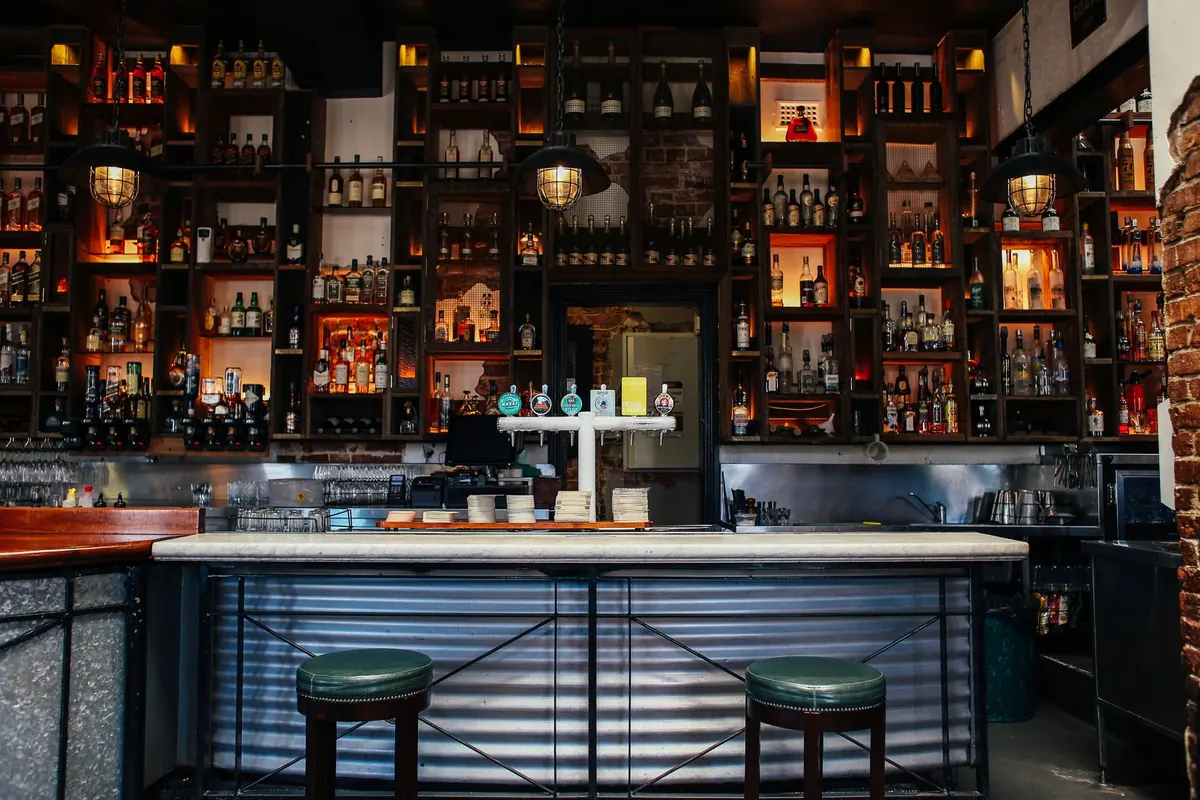
Start with the handpumps. Count how many are actually on — a turned-around pump clip is information. Ask what's fresh, and ask which of the beers has been on longest. A pub that offers a taster without being asked is telling you something good about how it keeps its cellar.
Look at it first. It should be bright, not cloudy, with a head that holds. Temperature matters: cellar cool, a touch below room temperature, not chilled until the flavour disappears. Then taste. Clean and bitter is what you want. A sharp edge, a cardboard note or a flat, lifeless finish means the line or the cask needs attention — worth mentioning, but mention the beer, not the barman, unless you asked and were ignored.
Local matters here in a way it doesn't in most counties. A pint of Adnams brewed in Southwold, twenty-odd miles from where you're sitting, tastes of its journey being short. If a pub makes a point of its local brewery line-up, hold it to that.
One dish is not a kitchen. If you can, order across the menu: a starter, two different mains, a pudding between you. You're looking for consistency more than brilliance. A pub that does a faultless roast and a mediocre fishcake is still a pub worth knowing about — say so.
In this county, fish and chips and the Sunday roast are the honest benchmarks. Both are easy to do adequately and hard to do properly. Was the batter crisp all the way to the last mouthful? Did the chips taste of potato or of the freezer? Was the beef carved to order or sliced at eleven and kept warm?
If you have a serious allergy, speak to the kitchen directly and follow their advice rather than testing the system for a review. That's a conversation for the professionals looking after you, not for a paragraph online.
Atmosphere is not mysterious. It is lighting, noise, warmth, seating and whether anyone looked pleased to see you. Was the fire lit? Could you hear the person opposite without raising your voice? Were the tables far enough apart that you weren't on the next party's lap?
Check the small things a landlord can control: the state of the loos, whether the garden furniture has been wiped down this decade, whether the dog bowl by the door is fresh. Note access, too. Step-free entry, a working accessible loo and space to move a chair are genuinely useful information for a lot of readers.
On service, judge the recovery as much as the mistake. A forgotten side that arrives in four minutes with an apology is a small thing. A forgotten side that never arrives, with nobody to ask, is worth a line. Watch whether you were checked on between courses, whether the bill came when you wanted it, and whether the staff seemed rushed off their feet or simply uninterested. Those feel similar from a table and are very different problems.
Open with what kind of pub it is and whether it's any good at being that. Save the scene-setting for later, if you use it at all. Then give the detail in a sensible order.
Specific beats enthusiastic every time. Compare these two lines.
Vague: "Great atmosphere, lovely food, will definitely be back." Specific: "We took the last table by the fire at 7.45 on a Thursday. The fish was cooked to order; the chips were the weak point."
Write within a week, while the details are still sharp. Read it back and ask whether someone in Framlingham, Bury or Lowestoft could decide from your review whether to spend their evening there. If not, add the missing facts.
Be willing to say you'd go back, or that you wouldn't, and give the reader enough to disagree with you. Pubs read their reviews, and so do their regulars. A fair, specific, plainly written account of one evening is worth more than a hundred starred ratings — and if a pub puts something right after you flag it, a short follow-up note is the decent thing to do.
Photo: Rachel Claire / Pexels